Here at The Analogue Collective, we usually find ourselves romanticising cars made twenty to forty years ago. Machines from that era were built before too much modern digital intervention was even an option available to manufacturers. The great cars were driver-focused, but as time progressed, distractions made their way into cabins; should you really be able to play games on your car’s touchscreen? But today, a different proposition slid across my desk from a Texan brand once dismissed as a horsepower-obsessed one-trick pony. Something that was a dramatic departure from the rest of their lineup: The new Hennessey Blackbird.
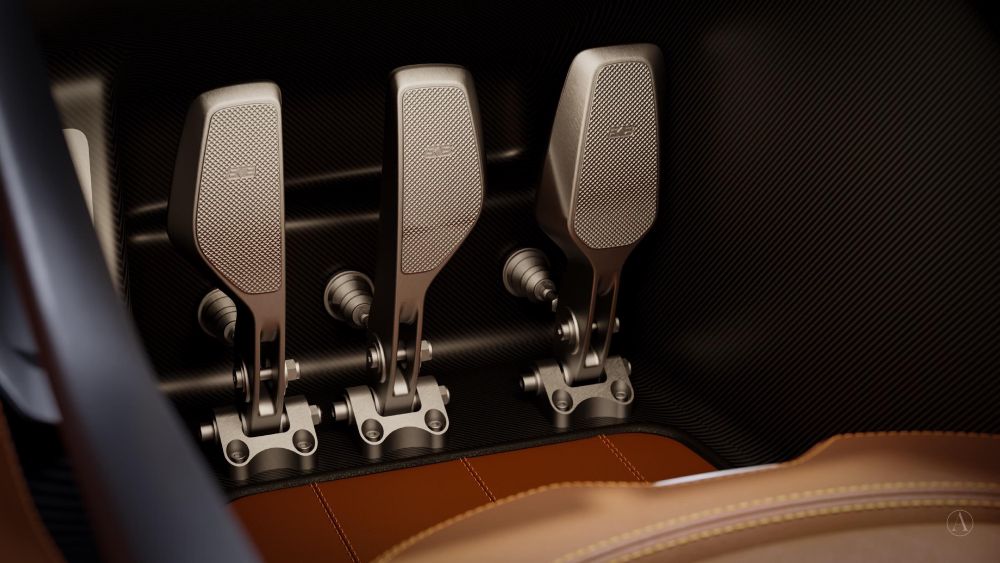
Blackbird is the third hypercar developed by Hennessey Special Vehicles after Venom GT and Venom F5, but it measures performance differently. Where the F5 explores the terrifying outer limits of sheer speed and intensity, Blackbird is built around the quality of the connection between driver, machine, and road.
Hennessey state the brief was: natural aspiration, six-speed gated manual, zero screens, analogue controls, large central tachometer, physical key, rear-wheel drive, and maximum man-machine connection.
“From the beginning, Blackbird was guided by a simple idea: to deliver an analog experience where beauty and drama define every moment. This is not a numbers car. We set out to create an unparalleled emotional experience, from the first time you see it to the moment you take the wheel and feel the connection between driver and machine.” — John Hennessey, Company Founder and CEO.
Touring ability is also a key factor in this experience, with a larger glasshouse, more cabin space than the F5 and refined NVH targets. However, don’t be mistaken, this is no Christmas pudding. The Blackbird features a bespoke Hennessey full-carbon tub and carbon-fibre bodywork. Hennessey is targeting 800-850 bhp from an engine that screams past 9,000 rpm, with 0-60 mph achieved in a blistering 2.5 seconds and a top speed of 220 mph.
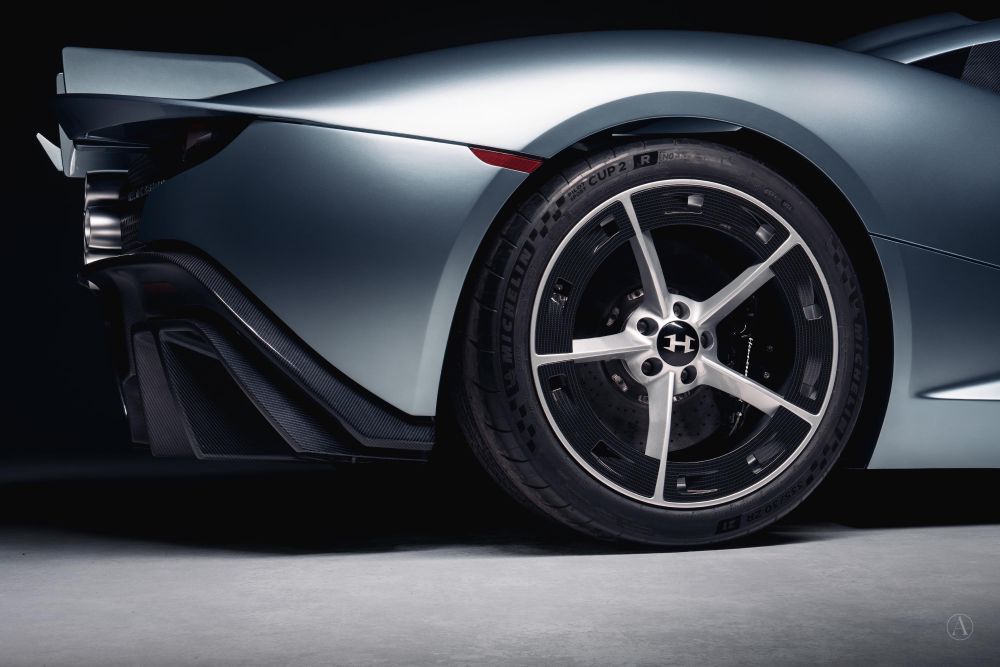
From a practical standpoint, hypercar manufacturers are finally beginning to consider the long-term collectability of their vehicles. Ditching digital displays ensures that in ten years’ time, the cabin won’t look like an obsolete tablet.
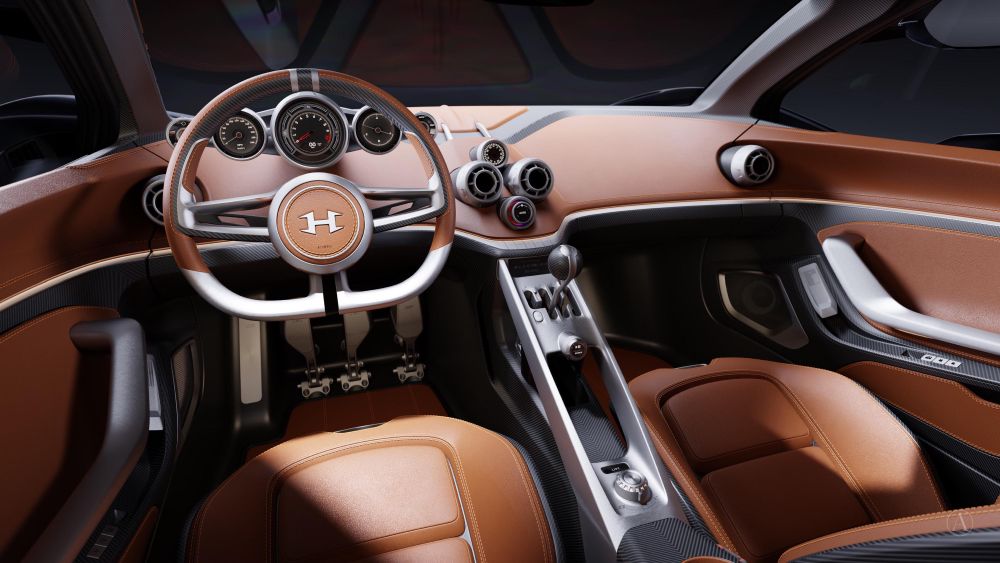
Styling-wise, the exterior utilises a design language that combines sharp creases with smooth, flowing surfacing to create a sculpted, modern shape. Design notes carried over from the SR-71 Blackbird aircraft that somehow still looks cutting-edge to this day.
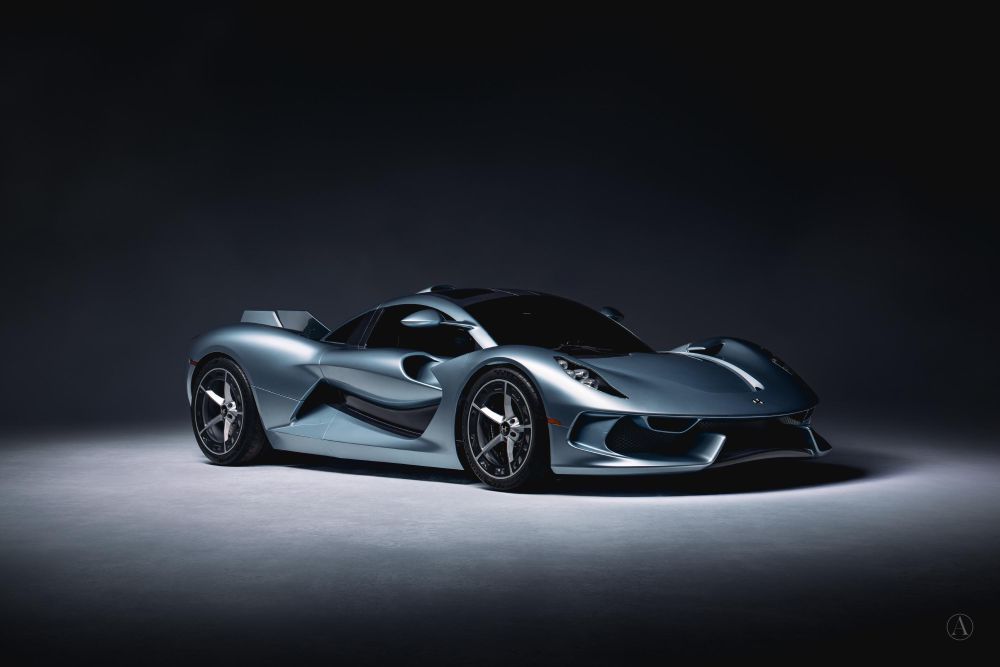
This design reveal demonstrates a profound change in direction for Hennessey, and perhaps for the supercar industry as a whole. It is difficult not to draw comparisons to the Gordon Murray Automotive T.50. In many ways, the T.50 paved the way for cars like this to exist from other manufacturers; these machines represent the ultimate swansong of the internal combustion engine, and prove that we can still be genuinely excited about the future.
We are seeing more brands experimenting with how modern engineering and analogue engagement can be merged to create the ultimate driver’s product. Mixing analogue tactility with modern dynamics, if done well, is a recipe for a car that is demanding, communicative, rewarding and timeless all at the same time. Hennessey’s new direction is an acknowledgement that people don’t feel in binary.
